
Rodent Exclusion in St. Louis, MO | Rodent Control St. Louis
Professional Rodent Exclusion St. Louis
Rodent Control St. Louis provides expert rodent exclusion services across St. Louis, MO. Our team identifies every possible entry point, seals them with durable materials, and ensures your home stays protected year-round. With proven techniques and local expertise, we help property owners maintain safe, rodent-free spaces.
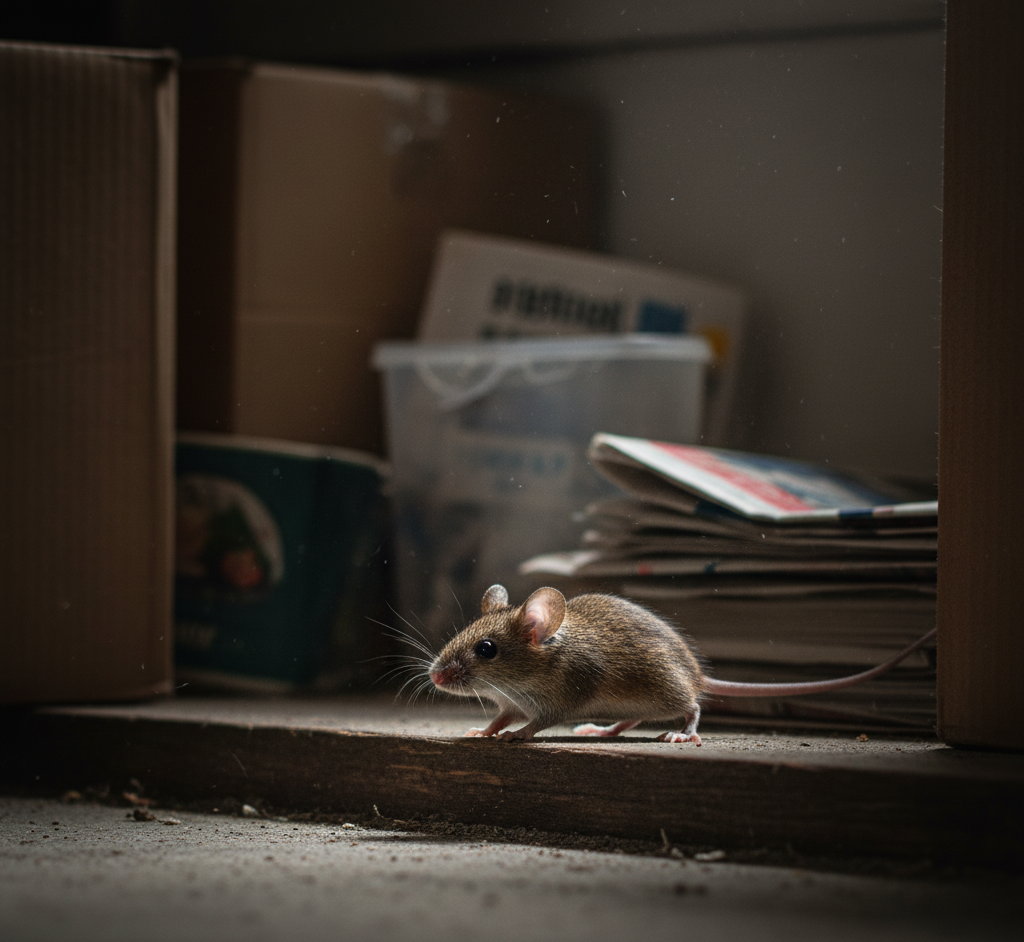
Understanding Rodent Exclusion and Prevention Methods
Rodent exclusion is a proactive process designed to keep rats and mice out before they invade. Unlike extermination, which focuses on removing existing infestations, exclusion targets prevention. Let’s break it down.
Rodents are clever and persistent. They can chew through wood, plastic, and even metal to reach warmth and food. The key to stopping them lies in understanding their behavior and the vulnerabilities of your structure.
Here’s how rodent exclusion works and why it matters:
Inspection and Assessment: Professionals inspect the entire property to find access points, chew marks, droppings, and gnawing signs.
Seal and Repair: Entry points are sealed using durable materials such as steel mesh, expanding foam, and concrete.
Habitat Modification: Removal of clutter, vegetation trimming, and proper waste storage reduce the likelihood of re-entry.
Sanitation: Keeping food sealed and cleaning up crumbs eliminates attractants that draw rodents back.
This combination of physical barriers, habitat control, and sanitation creates a lasting defense. Prevention is the foundation of long-term rodent management in St. Louis homes and businesses.
Rodent Control St. Louis Comprehensive Exclusion Process
Rodent Control St. Louis uses a step-by-step approach that blends detailed inspections, targeted exclusion work, and preventive strategies. Every property has unique vulnerabilities, so our methods adapt to your structure’s layout and the specific species invading your space. Here’s how we do it.
1. Initial Inspection
We begin by conducting a full property inspection inside and out. This includes basements, attics, crawl spaces, walls, and rooflines. We look for droppings, chew marks, nests, grease trails, and gnawed materials. These clues reveal how rodents move and where they’re gaining access.
We also identify environmental factors—such as nearby food sources, standing water, or heavy vegetation—that attract rodents to your property.
2. Entry Point Detection
Once we’ve assessed the infestation pattern, we pinpoint entry points. Common examples include:
Gaps around plumbing and utility lines
Foundation cracks and brick openings
Roof vents, soffits, and fascia gaps
Unsealed crawl space vents or doors
Damaged weather stripping around windows and garage doors
Our team documents every opening, even those smaller than half an inch—because that’s all a mouse needs to squeeze through.
3. Sealing and Repair Work
After mapping all entry points, we start sealing them with high-grade, chew-resistant materials. Depending on the structure, we may use:
Galvanized steel mesh or hardware cloth
Concrete patching for foundation gaps
Metal flashing around utility penetrations
Durable caulking and sealants
Door sweeps and weather stripping
Each repair is done carefully to match the appearance of your home or building while ensuring maximum durability.
4. Sanitation and Habitat Modification
Rodents thrive where food and shelter are abundant. We provide recommendations for cleaning and reorganizing spaces to reduce attractants. This includes storing pet food in sealed containers, trimming shrubs near the foundation, and keeping garbage bins secured.
We also suggest clearing cluttered storage areas and minimizing nesting materials, which helps ensure rodents don’t find safe hiding spots indoors.
5. Monitoring and Follow-Up
Exclusion isn’t complete without confirmation. Our technicians set up monitoring traps and return for follow-up inspections. These visits verify that the problem is resolved and that no new entry points have formed due to weathering or building shifts.
Rodent Control St. Louis guarantees that our exclusion work holds up under real-world conditions—keeping your property rodent-free over time.
Primary Entry Points & Our St. Louis Sealing Methods
Rodents can enter homes through incredibly small openings. In an older city like St. Louis, with its mix of historic homes and modern developments, structures often have hidden vulnerabilities. Understanding the most common access points helps explain why professional exclusion is critical.
Common Rodent Entry Points
Foundation Cracks: Small gaps in concrete foundations are major entry routes for rats, especially in basements and crawl spaces.
Utility Penetrations: Rodents follow water and electrical lines that run through walls, chewing through insulation and creating larger openings.
Roof Vents and Eaves: Roof rats enter through attic vents, fascia gaps, and soffits. Once inside, they nest in insulation or wiring voids.
Door and Window Gaps: Mice often slip through tiny spaces under garage doors or around worn weather stripping.
Drainage Pipes and Sewers: Norway rats can enter through damaged drain lines or even travel through sewers into lower-level entry points.
Crawl Spaces: Poorly sealed crawl space vents provide easy access to both rats and mice seeking warmth and moisture.
Each of these entry points presents unique challenges, and our sealing methods address them with precision.
Our Sealing and Exclusion Methods
Steel Mesh Barriers: Prevent chewing through soft materials around openings.
Concrete and Mortar: Ideal for sealing large foundation cracks or holes.
Metal Flashing: Stops gnawing at soffits, fascia boards, and roofline edges.
Foam Backer Rod and Sealant: Used to fill small gaps rodents might otherwise exploit.
Vent Covers: Designed to maintain airflow while preventing entry through roof or crawl vents.
Weatherproof Door Sweeps: Block rodent access through exterior doors and garage entries.
Every seal we install is tested to withstand pressure, weather, and the persistence of rodents. These steps ensure long-term structural protection and prevent costly future infestations.
Why St. Louis Property Owners Trust Our Services
Proven Local Experience
St. Louis’s climate, architecture, and rodent species present specific challenges. We know the difference between how roof rats move through older brick homes and how field mice invade suburban attics. Our team tailors exclusion strategies to local conditions for maximum effectiveness.
High-Quality, Long-Lasting Repairs
We use industrial-grade materials that rodents can’t chew through. Our goal isn’t just to stop today’s infestation but to prevent future ones. Property owners appreciate that our solutions last.
Ethical and Humane Practices
We value animal welfare. Our exclusion methods focus on humane removal and permanent prevention without unnecessary harm. This approach aligns with modern pest management best practices.
Licensed and Insured Professionals
Every technician at Rodent Control St. Louis is fully trained, licensed, and insured. You can trust that your property is protected and your exclusion work is handled by qualified experts.
Transparent Pricing and Clear Communication
We explain every step, from inspection to sealing. Clients know what to expect and what each service includes. No hidden fees—just straightforward, effective service.
Customer Satisfaction Guarantee
We stand behind our work. If rodents return through a sealed point within the warranty period, we fix it at no cost. This commitment builds long-term trust with our customers throughout St. Louis and the surrounding areas.
Frequently Asked Questions.
What’s the difference between rodent exclusion and extermination?
Extermination eliminates active infestations using traps or baits. Exclusion prevents future infestations by sealing all entry points. Ideally, both should be done together for complete control—removing rodents inside and blocking new ones from entering.
How long does a rodent exclusion service take?
It depends on property size and the number of entry points. Small homes may take one day. Larger buildings or severe infestations can take two to three days. Our team works efficiently without sacrificing quality.
Will exclusion alone get rid of rodents?
If rodents are already inside, exclusion must be paired with trapping or removal before sealing. Otherwise, rodents can become trapped indoors. We handle both phases to ensure a complete solution.
What materials do you use to seal entry points?
We use a combination of steel mesh, caulking, concrete, and metal flashing—materials that rodents cannot chew through. These provide both durability and a clean finish.
How do I know if I need exclusion services?
If you hear scratching in walls, find droppings, or see gnawed items, rodents have likely entered. Even without visible signs, any structure with unsealed gaps or vents should undergo an inspection for prevention.
Contact Rodent Control St. Louis Today!
Protect your property before rodents take over. Rodent Control St. Louis delivers complete rodent exclusion and prevention throughout St. Louis, MO. From attic sealing to foundation repair, our specialists ensure every inch of your home or business is fortified against unwanted pests.
Don’t wait until you hear scratching in the walls. Take action now.
Contact Rodent Control St. Louis today for a professional inspection and free quote. Call 314-375-9795 to schedule service.
Keep your St. Louis property secure, sanitary, and rodent-free—all year long.